
Game design plays a pivotal role in shaping player behavior, especially in the context of gambling. The mechanics, aesthetics, and reward systems built into a game can subtly influence decisions, engagement levels, and even risk-taking tendencies. Understanding these influences is critical not only for game developers but also for players and regulators who aim to promote responsible gaming.
At the most basic level, the structure of a game establishes the rules by which players interact with it. The simplicity or complexity of these rules can dramatically affect behavior. Games with straightforward mechanics allow players to quickly grasp objectives and potential outcomes, which can encourage repeated play due to the low cognitive barrier. On the other hand, complex systems with multiple layers of interaction can create deeper engagement, fostering a sense of mastery as players navigate strategies. Both approaches, however, can be designed to exploit human psychology; the key is understanding how engagement translates into sustained gambling behavior.
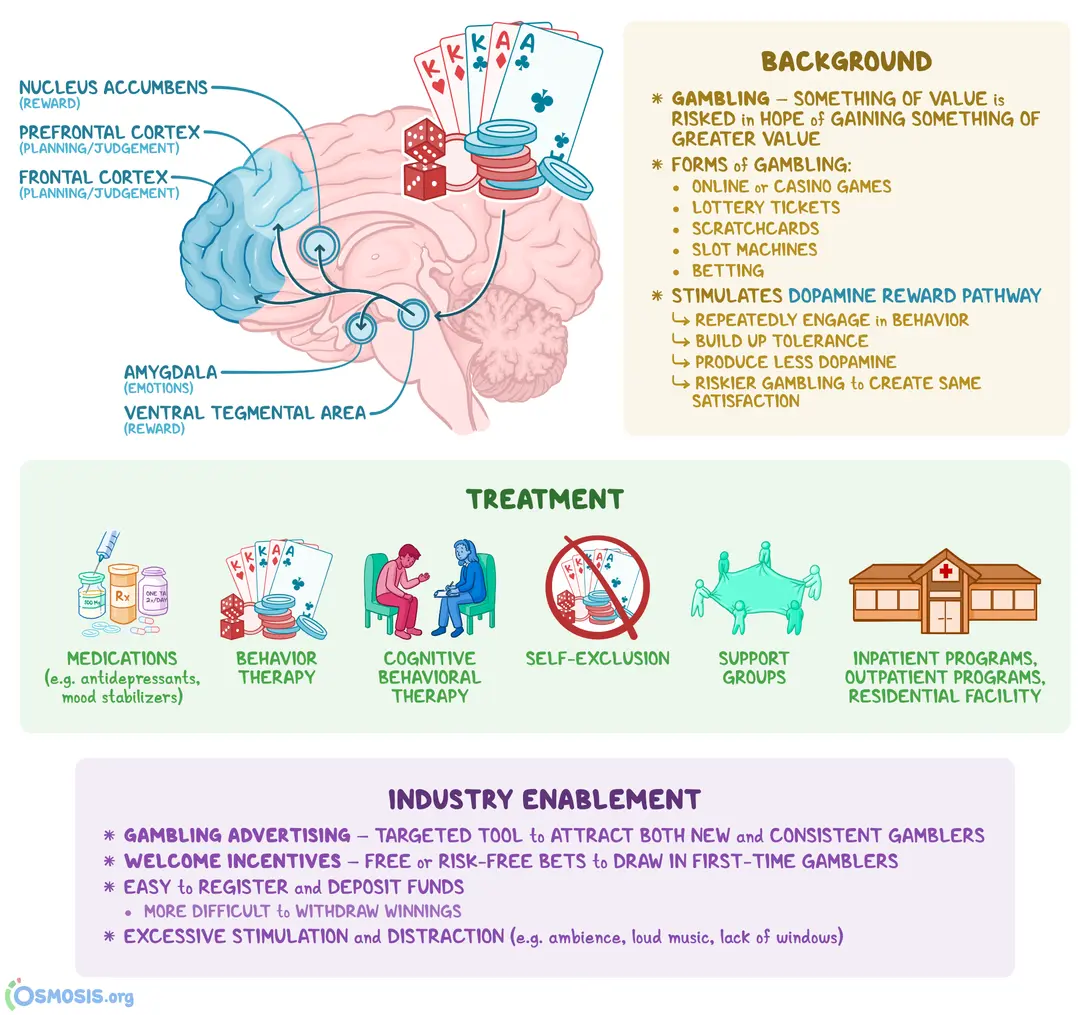
Reward systems are perhaps the most influential component of game design in shaping behavior. The timing, frequency, and magnitude of rewards can manipulate player expectations and emotional responses. Intermittent reinforcement schedules, where rewards are given unpredictably, are particularly effective in maintaining engagement. This method taps into a psychological principle known as variable ratio reinforcement, which has been widely studied in behavioral psychology. Players are more likely to continue playing when they anticipate that the next action could yield a substantial reward, even if the probability is low. Such mechanics can heighten excitement and immersion, leading to longer sessions and increased wagering, while also making the experience feel dynamic and engaging.
Visual and auditory design elements also exert significant influence. Bright colors, flashing lights, celebratory sounds, and animations are carefully crafted to elicit emotional responses. These stimuli can increase arousal, heighten anticipation, and provide immediate feedback for actions, which reinforces continued engagement. Even subtle cues, such as the design of a winning animation or the tempo of background music, can affect mood and decision-making, sometimes encouraging riskier behavior or repeated play beyond initial intentions. The integration of multisensory feedback makes the gambling experience more immersive, which can reinforce habitual patterns and make disengagement psychologically challenging.
Another critical aspect is the incorporation of progression and achievement systems. Many games employ levels, badges, or milestones to give players a sense of advancement. These features provide intrinsic motivation and encourage players to continue participating in order to achieve the next goal. In gambling contexts, this can manifest as tiered rewards, loyalty points, or unlocking new game features, which create a continuous feedback loop where players feel that progress is attainable and personally meaningful. This sense of achievement can be highly reinforcing, as it taps into basic human desires for recognition, mastery, and accomplishment.
The social dimensions embedded in game design also shape gambling behavior. Multiplayer elements, leaderboards, and social sharing mechanisms can introduce competitive and comparative dynamics. Players may feel compelled to match or surpass the performance of peers, which can escalate risk-taking and prolong engagement. Social proof, in particular, can validate gambling behaviors; seeing others succeed or celebrate winnings can normalize continued participation and reduce perceived risks. Even in solitary play, virtual communities, chat features, or the appearance of human-like avatars can simulate social interactions that encourage ongoing engagement.
Game design also subtly manipulates perception of control and probability. Mechanics such as near-misses, where a player almost wins, can create the illusion of skill or control, even in predominantly chance-based games. This phenomenon can increase motivation to continue playing because players perceive that success is attainable through effort or strategy. Similarly, offering choices in gameplay, such as selecting bets or customizing play styles, fosters a sense of autonomy that enhances engagement and may lead to higher risk-taking. These design elements interact with cognitive biases and heuristics, shaping how players interpret outcomes and make decisions under uncertainty.
Time perception is another tool employed in game design that can influence gambling behavior. Many games are structured to minimize natural breaks, using continuous gameplay, seamless transitions between rounds, and minimal cues about the passage of time. When players lose track of time, they may make more impulsive decisions or continue playing longer than intended. Design choices like rapid game pacing, short intermissions, and immersive environments work together to sustain engagement and encourage prolonged participation, often amplifying gambling behaviors.
Furthermore, personalization and adaptive algorithms enhance engagement by tailoring experiences to individual behaviors. Games can adjust difficulty, reward frequency, or thematic elements based on player preferences and patterns. By analyzing user behavior, designers can create environments that maximize positive reinforcement, keep players in a “flow state,” and maintain high levels of engagement. While this personalization increases satisfaction and immersion, it also has the potential to heighten risk of compulsive behavior by continuously aligning the game with the player’s psychological triggers.
Ethical considerations in game design have emerged as a vital area of focus. Designers now face scrutiny regarding the balance between creating enjoyable experiences and exploiting behavioral tendencies. Incorporating responsible gaming features, such as self-exclusion tools, spending limits, and transparent probability displays, can mitigate negative outcomes. These design choices aim to empower players with control and awareness, allowing engagement to remain within safe limits while still maintaining the entertainment value of the game.
Ultimately, game design shapes gambling behavior through a combination of structural mechanics, reward systems, sensory stimuli, social elements, perceived control, time manipulation, and personalization. Each of these factors interacts with psychological principles to influence decision-making, risk-taking, and engagement. Understanding these dynamics is essential for creating games that are both engaging and ethically responsible, promoting sustained enjoyment without encouraging harmful patterns. Players who are aware of these influences can make more informed choices, while designers and regulators can implement safeguards that balance engagement with player well-being, fostering a healthier and more sustainable gaming environment.
The careful integration of these design elements highlights the intricate relationship between human psychology and game mechanics. Awareness of how design influences behavior allows stakeholders to harness the positive aspects of engagement—such as enjoyment, skill development, and strategic thinking—while mitigating the risks of excessive or impulsive gambling. By recognizing these mechanisms, the gaming industry can develop experiences that are compelling yet responsible, ensuring that the thrill of gameplay does not compromise the safety and well-being of players.



Leave a Reply