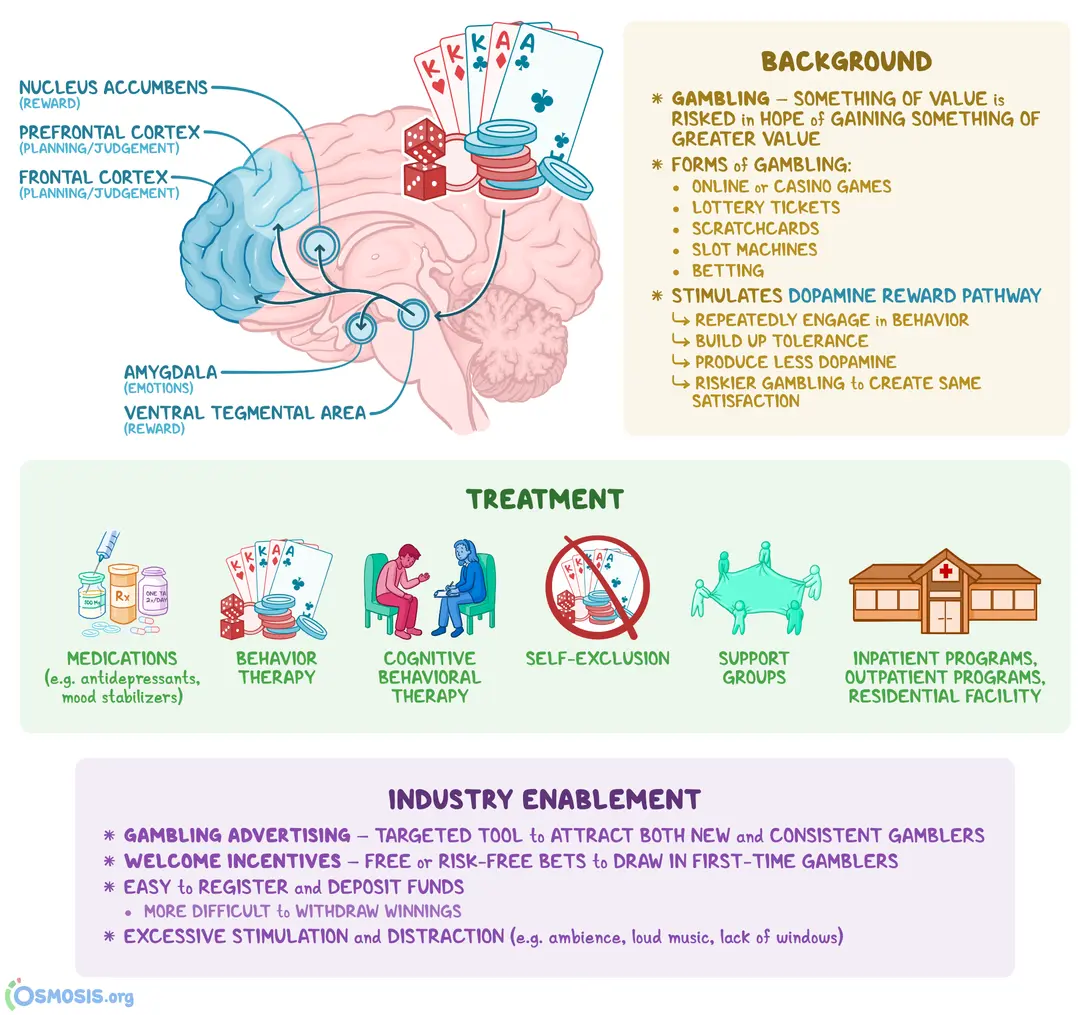
In the fast-paced world of gambling and competitive gaming, the allure of short-term wins can be irresistible. The excitement of seeing an immediate payout or achieving a quick victory triggers an intense emotional response, providing a dopamine rush that feels rewarding. However, while these short bursts of success are thrilling, they are rarely sustainable and often come with a hidden cost. Players who consistently chase quick wins can fall into patterns of impulsive behavior, leading to increased risk-taking, emotional fatigue, and ultimately, a diminished ability to maintain control over their gaming decisions. In contrast, a long-term strategy, grounded in discipline, awareness, and consistent methodology, provides a more reliable path toward sustained success and overall satisfaction.
One of the key advantages of long-term strategy is its ability to reduce the volatility inherent in gambling. Short-term outcomes are heavily influenced by chance, randomness, and variance. Even the most skilled player can experience losing streaks that feel discouraging when focusing solely on immediate results. A long-term approach, however, emphasizes planning, risk management, and setting achievable goals over extended periods. By concentrating on the bigger picture rather than each individual outcome, players can navigate inevitable fluctuations more effectively. This mindset fosters patience and resilience, qualities that are essential for sustaining consistent performance and emotional stability in competitive environments.
Another important factor is the role of bankroll management. A short-term focus often encourages players to stake larger amounts for the thrill of potential immediate gain, increasing the risk of rapid depletion of resources. Long-term strategies prioritize careful allocation of funds, ensuring that bets or investments are proportionate to the overall budget and risk tolerance. This measured approach not only preserves resources but also creates the opportunity to capitalize on favorable situations without the pressure of chasing losses. Players who adopt disciplined bankroll management are less likely to experience financial strain and are more capable of maintaining a steady, methodical approach to achieving their objectives.
Long-term strategy also promotes a deeper understanding of patterns, probabilities, and systems. In games of skill or chance, recognizing trends, calculating odds, and applying analytical thinking can significantly improve decision-making. Players who emphasize immediate wins may rely on intuition, luck, or impulsive choices, which can be inconsistent and prone to error. A strategic approach encourages learning from each session, recording outcomes, and adjusting tactics based on empirical data. Over time, this accumulation of knowledge builds a robust framework for informed decisions, enhancing the likelihood of success in future sessions. The process of learning and refining strategy becomes a self-reinforcing cycle, where experience translates directly into better performance.
Psychologically, long-term strategy nurtures discipline and emotional regulation. Short-term victories can create a sense of euphoria, while losses can trigger frustration or impulsive attempts to recover quickly. These emotional swings are destabilizing and can impair judgment, increasing the probability of risky behavior. A long-term focus, on the other hand, instills a mindset of patience and self-control. Players learn to treat wins and losses as data points rather than validation or failure, which reduces the emotional rollercoaster associated with short-term thinking. By maintaining a steady perspective, players can make rational, calculated decisions that align with their overarching goals, rather than being swayed by transient outcomes.
Moreover, a long-term strategy supports goal-oriented planning and sustained motivation. Short-term wins are fleeting and often fail to provide a meaningful sense of accomplishment beyond the momentary excitement. Long-term objectives, however, offer players a structured roadmap, allowing them to measure progress, celebrate milestones, and adjust methods without compromising the overall plan. This approach enhances engagement, satisfaction, and personal growth, as players recognize the value of persistence, adaptability, and strategic thinking. The sense of achievement derived from reaching long-term goals is deeper and more fulfilling than the temporary thrill of an immediate win.
The cumulative effect of long-term strategy extends beyond individual sessions or games. It fosters habits that enhance performance consistency, critical thinking, and resilience under pressure. Players become adept at assessing risk, understanding probabilities, and making strategic adjustments, which are valuable skills both within and outside the context of gaming. By focusing on sustainable growth rather than quick gratification, they cultivate a professional approach that maximizes the potential for repeated success while minimizing unnecessary losses and setbacks. This approach encourages reflection, learning, and continuous improvement, which are key ingredients for long-term mastery in any competitive field.
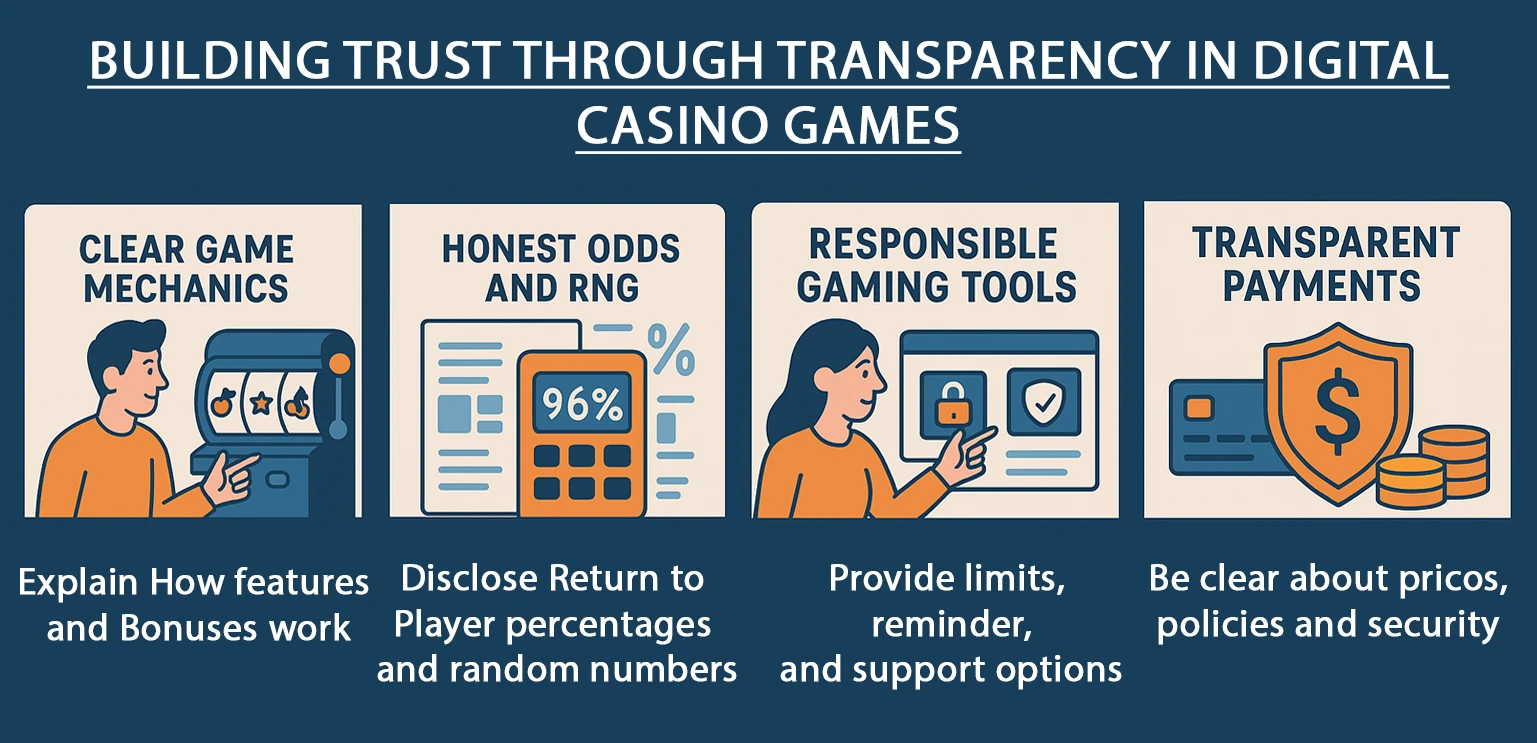
In practical terms, implementing a long-term strategy requires intentional planning, discipline, and the ability to detach from the emotional highs and lows of individual outcomes. Players should set realistic goals, define clear limits for time and resources, and consistently evaluate their performance. Developing routines that support careful observation, analysis, and adaptation enhances strategic decision-making and reduces reliance on impulsive behavior. Additionally, a long-term perspective encourages responsible play, mitigating risks associated with overextension, fatigue, and stress, while reinforcing the importance of balance between entertainment and performance.
Ultimately, the contrast between short-term wins and long-term strategy highlights a fundamental principle: immediate gratification often comes at the expense of sustainability, whereas a methodical, disciplined approach builds enduring advantages. Players who prioritize long-term planning gain control over their choices, improve resilience, and develop a deeper understanding of the systems they engage with. This approach not only increases the likelihood of consistent success but also transforms the gaming experience into a more rewarding, enriching, and sustainable endeavor. By resisting the temptation of instant victories and committing to a thoughtful, long-term approach, players position themselves to achieve greater mastery, satisfaction, and stability in the pursuit of their goals.