
Live casino games and RNG (Random Number Generator) games represent two distinct approaches to online gambling, each offering unique experiences, advantages, and challenges for players. Understanding these differences is crucial for players seeking both entertainment and informed decision-making while engaging in online casinos. While both types of games are designed to provide fun and potential winnings, they do so in fundamentally different ways, which influences player interaction, trust, and overall engagement.
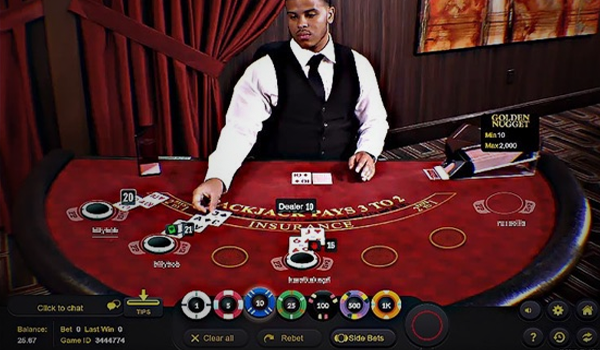
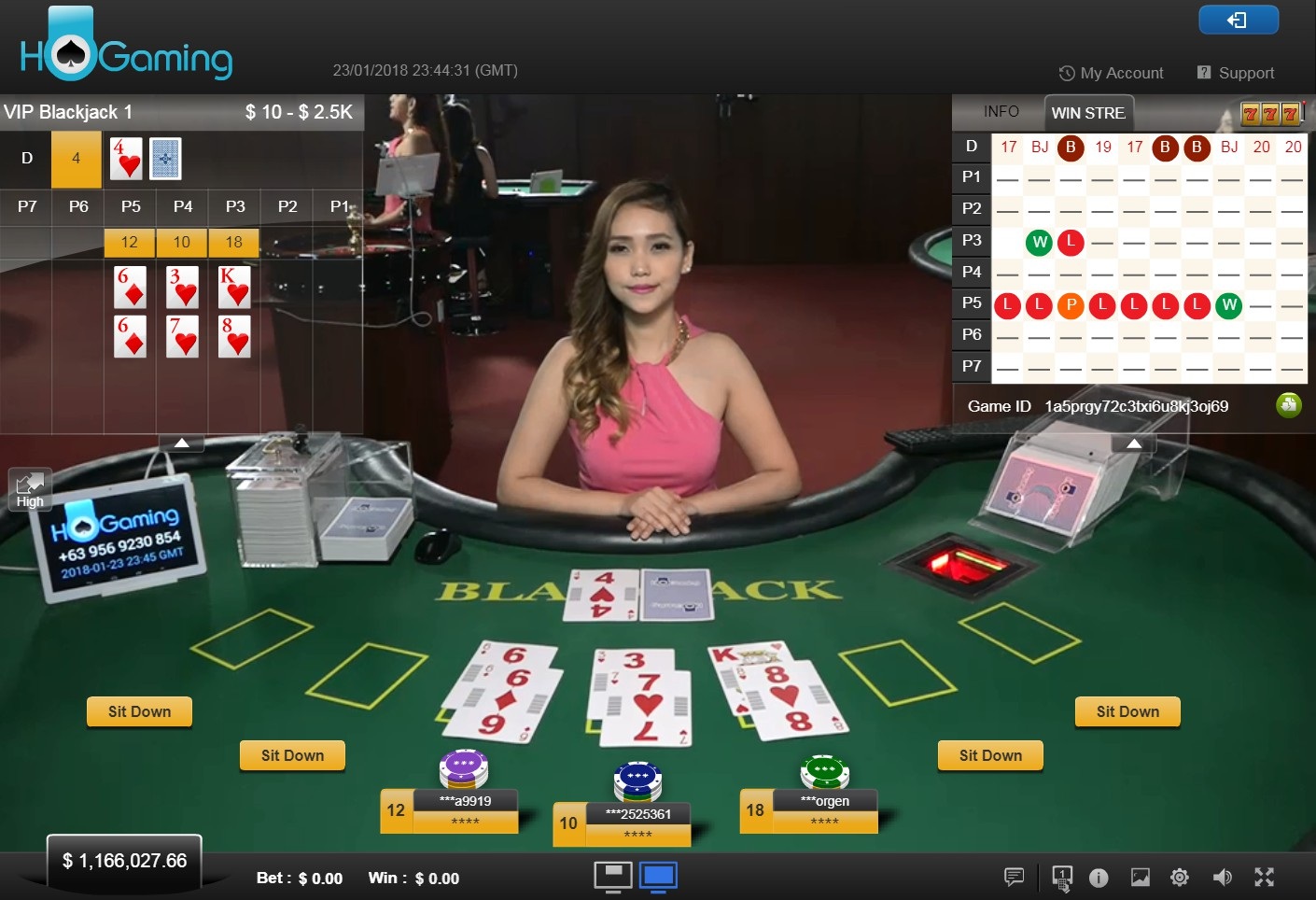
Live casino games are interactive experiences that involve real human dealers and real-time gameplay streamed to players over the internet. These games aim to replicate the ambiance and social dynamics of a physical casino, often providing high-definition video streams, multiple camera angles, and live chat features. Players can interact with the dealer and sometimes with other participants, creating a sense of community and realism that is hard to achieve with automated games. Popular live casino offerings include live blackjack, live roulette, live baccarat, and live poker, where human elements introduce nuances in gameplay such as dealing style, pace, and subtle expressions that enhance engagement.
One of the most significant advantages of live casino games is the trust factor. Since players can see the dealer shuffle cards, spin the roulette wheel, and conduct the game in real time, there is a perception of fairness that is inherently stronger than RNG-based games. This transparency can be particularly appealing to players who are cautious about software manipulation or random number algorithms, as live games provide a visible, tangible process that reduces suspicion and enhances confidence in the outcomes. Moreover, live dealers often follow professional conduct standards, which further increases the credibility of the game and improves the overall gambling experience.
On the other hand, RNG games rely entirely on algorithms to determine outcomes. These algorithms are designed to simulate randomness, ensuring that each spin of a slot machine, each card dealt, or each roulette spin is unpredictable and fair according to statistical standards. RNG games are the backbone of most digital casinos because they allow for automated gameplay, rapid pacing, and a wide variety of game types without the logistical limitations of live streaming. Slots, virtual blackjack, and digital roulette are common examples of RNG games. Players can access these games anytime, and the software ensures that all outcomes are unbiased and adhere to programmed probabilities.
One of the key strengths of RNG games is accessibility and speed. Since no live dealer or video stream is required, these games can operate at a much faster pace than live casino offerings. Players can spin reels, make bets, and see outcomes instantly without waiting for physical actions to occur, which can appeal to those seeking a quick, efficient gaming session. Additionally, RNG games often incorporate advanced graphics, animations, and interactive features that make gameplay visually stimulating. This allows developers to introduce creative themes, bonus rounds, and narrative elements that would be challenging to replicate in a live environment.
However, the main drawback of RNG games lies in their lack of human interaction. While they provide fairness through programming, they cannot replicate the social elements that live casino games offer. Players may miss the excitement of watching a live dealer’s reactions, engaging in conversation, or experiencing the social dynamics of other participants. This can make RNG games feel more solitary, and some players may perceive the lack of human oversight as less authentic, even though regulated RNG systems are rigorously tested for fairness and reliability.
Live casino games often require more bandwidth and a stable internet connection to ensure smooth streaming, which can be a limiting factor for some players. Lag, buffering, or connectivity issues can disrupt the immersive experience and potentially affect gameplay satisfaction. Conversely, RNG games are less resource-intensive and more adaptable to varying internet speeds and devices, making them convenient for players on mobile platforms or in regions with inconsistent connectivity.
Both types of games also differ in terms of strategy and skill application. In live casino games, players can sometimes read the dealer or observe the behavior of other participants to inform decisions, particularly in games like live blackjack or live poker. This introduces elements of skill, psychology, and decision-making that can influence outcomes beyond mere chance. RNG games, by contrast, operate purely on probability, meaning that skillful play is limited to understanding game mechanics, managing bankroll, and making strategic bets, rather than responding to human behavior.
Another distinction is the customization and flexibility of betting options. RNG games often provide a wider range of betting limits and variations due to their automated nature, allowing both casual players and high rollers to find suitable stakes. Live casino games may have more standardized limits and fewer variations in real time due to operational constraints and dealer management, which can influence how players choose to engage with the game.
From a regulatory and security perspective, both live and RNG games are subject to strict oversight by licensing authorities to ensure fairness and protect players. RNG games rely on certified algorithms that undergo continuous testing to meet industry standards, while live casino operations are monitored to ensure that dealers follow protocols and that the streaming environment is secure. Both formats aim to provide a safe, trustworthy experience, though the mechanisms differ.
Ultimately, the choice between live casino and RNG games depends on player preference, priorities, and gaming context. Players seeking social interaction, realistic ambiance, and psychological engagement may prefer live casino games. Those looking for fast-paced, visually rich experiences with immediate results and flexible options might gravitate toward RNG games. Many online casinos recognize these differences and offer both types, allowing players to switch depending on mood, device, or gaming goals.
In conclusion, live casino games and RNG games provide complementary experiences within the online gambling ecosystem. Live casino games emphasize realism, interaction, and transparency, offering players a tangible sense of authenticity through human dealers and real-time engagement. RNG games emphasize efficiency, variety, and automation, allowing rapid gameplay and creative design that appeals to players who prioritize speed and accessibility. Both approaches are regulated to ensure fairness and integrity, but they cater to different psychological and entertainment needs. Understanding the distinctions between these two formats helps players make informed choices, enjoy responsible gaming, and find the right balance between immersive realism and efficient digital play. By recognizing the strengths and limitations of each, players can enhance their enjoyment, make strategic decisions, and engage with online casinos in ways that align with their preferences and expectations. The coexistence of live and RNG games reflects the diverse interests of modern players and the evolving landscape of online gaming, ensuring that there is an option suited to nearly every type of gambler, from the social enthusiast to the strategic solo player.




Leave a Reply