
Transparency in gambling platforms is not just a principle—it is the foundation upon which trust, fairness, and long-term sustainability are built. In an industry where money, chance, and emotion intersect, the clarity of operations, rules, and outcomes is critical for both operators and players. Without transparency, players are left in a state of uncertainty, unable to make informed decisions, while operators risk losing credibility and facing regulatory consequences. Understanding why transparency matters requires examining multiple facets of the gambling experience, from game fairness to financial reporting, and the impact it has on player behavior, trust, and the broader ecosystem.
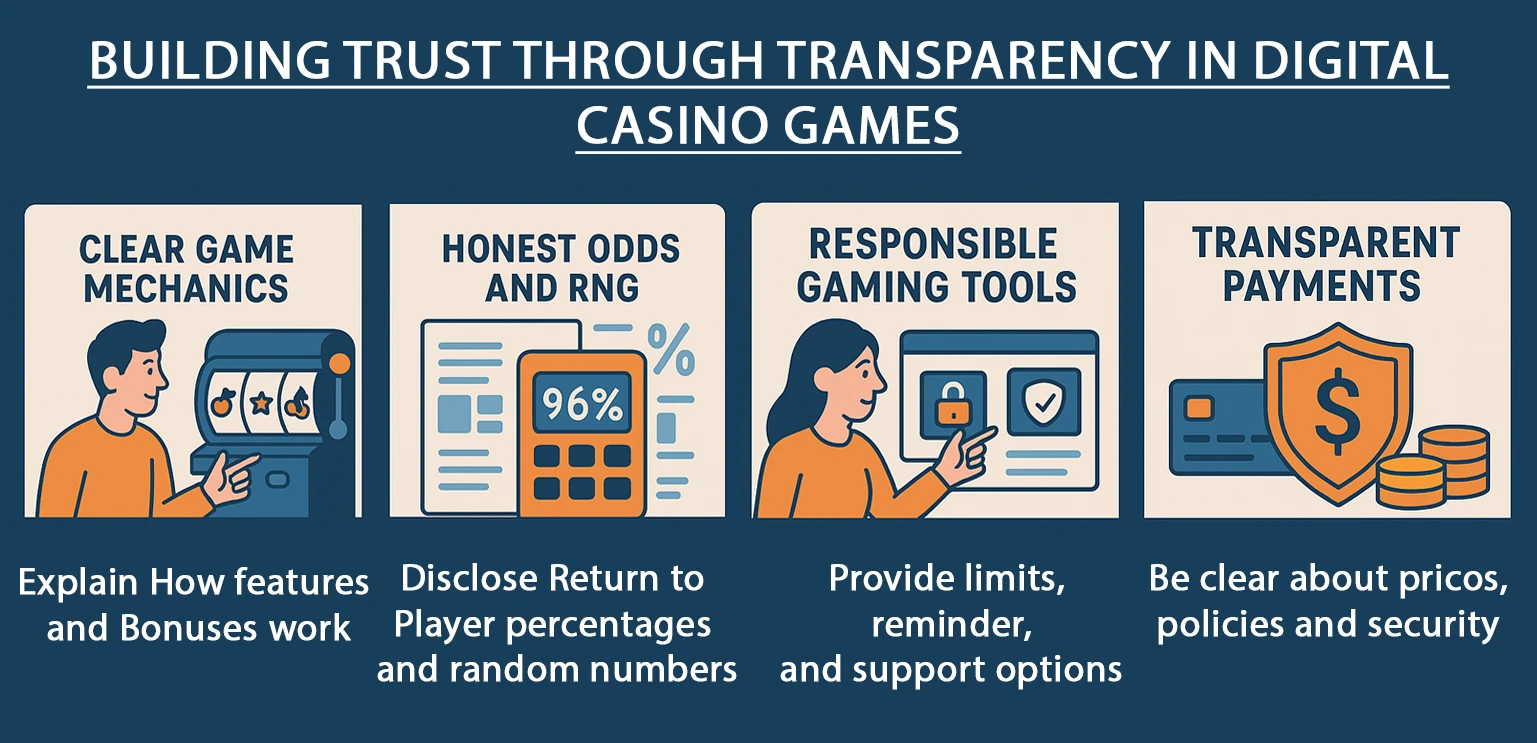
A key element of transparency is fairness in gameplay. Modern gambling platforms utilize complex algorithms, including random number generators (RNGs), to determine outcomes in games like slots, poker, or online roulette. When platforms are open about how these systems work, players gain confidence that results are not manipulated in favor of the house. This is often achieved through third-party audits and certifications, which provide independent verification of fairness. By communicating these certifications clearly to players, platforms signal their commitment to integrity, reducing suspicion and enhancing user satisfaction. A transparent approach to fairness also allows players to understand the odds, payouts, and risks associated with different games, fostering more responsible gambling behavior.
Equally important is transparency in financial operations. Players must be assured that deposits, withdrawals, and winnings are handled accurately and promptly. A transparent platform provides clear terms for transactions, including fees, processing times, and conditions for bonuses or promotions. This clarity prevents misunderstandings that could lead to disputes or negative perceptions. Furthermore, transparency in financial reporting extends to operators’ compliance with regulations, taxation, and anti-money laundering protocols. Demonstrating adherence to these standards not only satisfies legal requirements but also strengthens the platform’s reputation as a trustworthy and reliable environment for gambling.
Transparency also influences how players approach risk management. In gambling, understanding the rules, odds, and potential outcomes is crucial for making informed decisions. Platforms that openly communicate this information empower players to set limits, choose appropriate stakes, and plan their gaming sessions with greater control. For instance, displaying RTP (Return to Player) percentages, volatility levels, and game rules allows individuals to align their strategies with their risk tolerance. When players feel that the system is understandable and predictable, they are more likely to engage responsibly, reducing the likelihood of impulsive or harmful behavior.
The role of communication cannot be overstated in fostering transparency. Clear, accessible information about platform policies, game mechanics, and responsible gambling measures helps create an informed community. This includes providing detailed terms and conditions, FAQs, and support channels that are easy to navigate. Transparency in communication also involves honesty about problem gambling resources and tools, such as self-exclusion options, deposit limits, and time reminders. By being proactive rather than reactive in delivering this information, platforms demonstrate a commitment to player welfare, reinforcing ethical practices alongside business interests.
Transparency impacts the social and psychological dimensions of gambling. Players are more likely to feel secure and satisfied in an environment where uncertainty is minimized. When operators openly share their processes, algorithms, and safeguards, players develop trust that the outcomes are genuine, not manipulated. This trust is essential for maintaining long-term engagement, as skeptical or anxious players are less likely to continue using a platform. Furthermore, transparent platforms contribute to a culture of accountability within the industry, setting standards that encourage competitors to maintain similar practices, ultimately benefiting the entire gambling community.
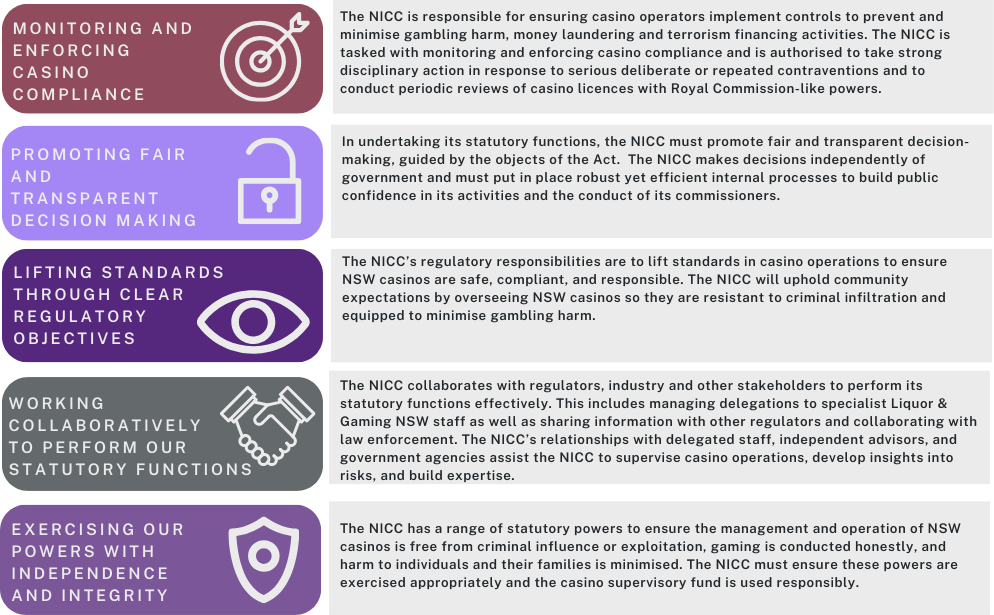
From a regulatory perspective, transparency is a critical compliance factor. Governments and regulatory bodies require operators to disclose operational details, auditing results, and financial practices to ensure consumer protection. Platforms that prioritize transparency find it easier to satisfy these legal obligations, reducing the risk of fines, license suspensions, or reputational damage. Moreover, transparent practices facilitate cooperation with regulators, allowing operators to respond quickly to audits or inquiries. This not only protects the platform’s license but also signals to players and stakeholders that the business operates within legal and ethical boundaries.
Technological advancements further enhance the possibilities for transparency. Blockchain and distributed ledger technologies, for example, allow players to verify transactions and game outcomes independently, adding an extra layer of accountability. Data analytics and reporting tools provide operators with insights into player behavior while allowing players to access personal gaming histories, spend patterns, and win-loss ratios. Leveraging technology in this way ensures that transparency is not just a theoretical value but a practical, measurable aspect of the gambling experience.
Transparency also strengthens the economic viability of a gambling platform. When players trust the system, they are more likely to deposit funds, participate in games, and remain loyal over time. Positive word-of-mouth and online reviews often hinge on perceptions of honesty and clarity. A platform that demonstrates openness about its rules, payouts, and policies is better positioned to attract and retain a loyal user base, creating a sustainable revenue model. Conversely, platforms that obscure information risk alienating users, facing negative publicity, and losing market share to competitors who prioritize transparent practices.
Ultimately, transparency in gambling platforms is not a mere regulatory checkbox; it is a strategic imperative. It fosters fairness, strengthens trust, supports responsible play, and enhances operational integrity. By clearly communicating game mechanics, financial policies, and responsible gambling tools, operators create an environment where players can engage with confidence and control. This openness benefits all stakeholders—players, operators, and regulators—by promoting ethical standards, reducing disputes, and building a resilient, long-lasting platform. In an industry where trust is both fragile and essential, transparency serves as the bedrock upon which sustainable gambling experiences are built, ensuring that the excitement of play is matched by clarity, accountability, and fairness.
Players are not merely participants; they are informed decision-makers who rely on the integrity of the systems they engage with. Operators who embrace transparency signal respect for this agency, cultivating loyalty and enhancing the reputation of their platform. As gambling continues to evolve, integrating new technologies, expanding markets, and adapting to regulatory changes, transparency remains a constant necessity—guiding the development of responsible, trustworthy, and engaging platforms that prioritize the interests of the player as much as their own business objectives.






Leave a Reply